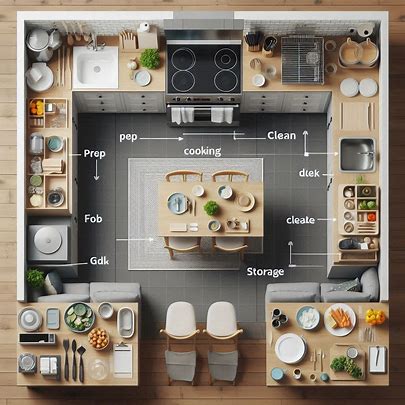
 Cold weather can turn even the most inviting kitchen into an uncomfortable space. When temperatures drop, the heart of the home loses its warmth, affecting both comfort and how food cooks. A chilly kitchen can make dough rise slower, cool food too quickly, and dampen the joy of preparing family meals. But with reliable heating, every dish feels like comfort food again.
Many homeowners don’t realize that a properly working furnace does more than heat the air, it helps maintain an ideal cooking environment. A timely furnace replacement ensures that your kitchen stays warm, your ingredients stay fresh, and your family enjoys every meal in comfort. When the heating system works efficiently, the difference is noticeable in both how you cook and how you feel.
Comfort That Inspires Better Cooking
Warm air, warm food, warm hearts—that’s the power of a well-timed furnace replacement.
Cooking is a sensory experience, and temperature plays a big role in that. Imagine baking bread when the kitchen is freezing. The yeast doesn’t rise properly, and the crust turns out dense instead of crisp. Now imagine a comfortably heated space, where warmth wraps around you as you stir soup or knead dough. The right temperature helps everything, from timing to texture, come together perfectly.
Chefs often say that a warm kitchen feels alive. It’s true. Warmth encourages creativity and focus. When your body is comfortable, your hands move more easily, and your attention stays on flavor and technique, not on staying warm. That’s why maintaining steady heat through efficient furnace systems is essential, especially during long winter cooking sessions.
Energy Efficiency Meets Culinary Efficiency
Old furnaces lose heat, waste energy, and struggle to maintain consistent temperatures. That inconsistency can make ovens work harder and alter how food cooks. For instance, fluctuating room temperatures can affect how a soufflé rises or how evenly a roast cooks. Replacing an outdated furnace ensures that heat flows evenly, reducing stress on your other appliances.
Modern furnace systems are built for both comfort and efficiency. They distribute heat more effectively, which keeps the kitchen’s ambient temperature stable. This also means lower utility bills and less strain on your stove or oven, both of which perform better in a well-regulated environment.
Creating a Welcoming Space for Family and Friends
Beyond cooking performance, a warm kitchen creates emotional comfort. Winter often brings people together around food, whether it’s a pot of chili simmering on the stove or cookies baking on a weekend afternoon. A cozy environment makes gatherings enjoyable and encourages people to linger a little longer.
When a home’s heating system functions efficiently, the warmth extends beyond temperature. It adds to the feeling of hospitality. Guests notice when a space feels inviting. That’s why many homeowners invest in upgraded heating before the holidays, ensuring that every corner of their kitchen radiates comfort and cheer.
Simple Clues That It’s Time for a Replacement
If your kitchen feels unevenly heated or your energy bills keep rising, your furnace might be signaling it’s time for change. Common signs include strange noises, frequent repairs, or uneven warmth between rooms. These issues affect not just comfort but also the overall quality of your cooking experience.
- Uneven temperatures: Cold spots or drafts mean the furnace is struggling.
- Higher bills: Older systems use more energy to produce less heat.
- Strange sounds: Rattling or humming indicates mechanical wear.
- Age: Units over 15 years old often lose efficiency.
Upgrading to a newer system prevents these issues and gives you consistent warmth all winter long. The comfort payoff is instant. Once the system is replaced, you’ll notice your kitchen feels evenly heated, your appliances perform better, and your meals stay warmer longer.
READ ALSO: When the Kitchen Goes Cold: Appliance Repair and the Heart of Home Cooking
Cooking with Warmth, Living with Ease
Replacing an aging furnace is more than a maintenance task, it’s an investment in your lifestyle. The kitchen becomes a true gathering place again, filled with warmth, laughter, and the aromas of good food. Consistent heating supports every recipe, from delicate pastries to hearty winter stews.
When you choose a furnace replacement, you’re ensuring that every meal feels like home. A well-heated kitchen keeps you inspired, your family comfortable, and your cooking effortless throughout the cold season. As temperatures fall, warmth remains your secret ingredient for better meals and happier moments.