Why Cleansy matters for Food Safety?

The kitchen is often called the heart of the home, but it is also one of the areas where cleanliness matters most. Every meal begins with food preparation surfaces, cooking utensils, sinks, and countertops that must remain hygienic to reduce the risk of contamination. While many people focus on keeping kitchens visibly clean, the products and methods used to achieve that cleanliness are equally important. This is where Cleansy brings a sustainable approach to kitchen sanitation

They use cleaning solutions and techniques that effectively remove grease, bacteria, and dirt while minimizing environmental impact. Unlike harsh chemical cleaners that may leave residues or release strong fumes, environmentally responsible cleaning methods help create spaces that are safer for food preparation, healthier for families, and kinder to the planet.

The Connection between Kitchen Hygiene and Food Safety

Food safety begins long before ingredients reach the stove or oven. Every cutting board, countertop, sink, and kitchen tool comes into contact with food during preparation, making proper sanitation essential. Besides, you’d be surprise what lurks around your kitchen surface and the contaminants it can harbor, similar to:

  • Food residue
  • Grease buildup
  • Harmful bacteria
  • Mold and mildew
  • Cross-contamination from raw ingredients

If these surfaces are not cleaned properly, microorganisms can transfer to fresh foods and increase the risk of foodborne illness.

Eco-friendly cleaning experts understand that effective sanitation is about more than appearance. Their goal is to remove contaminants thoroughly while using products that are appropriate for areas where food is handled. This balance between cleanliness and safety helps support healthier cooking environments for households and commercial kitchens alike.

Why Eco-Friendly Cleaning Solutions make a Difference?

Traditional cleaning products often contain strong chemicals that can effectively cut through grease and grime. However, some formulations may leave behind residues or release volatile organic compounds (VOCs) that affect indoor air quality.

Eco-friendly cleaning products are designed to provide effective cleaning performance while reducing these concerns. Many are formulated using biodegradable ingredients and environmentally responsible manufacturing practices. Benefits of eco-friendly cleaning solutions include:

  • Reduced chemical residue on food preparation surfaces
  • Lower emissions of strong fumes
  • Improved indoor air quality
  • Biodegradable ingredients that reduce environmental impact
  • Safer use around children and pets when used according to instructions

While eco-friendly products still need to be used correctly, they offer an alternative that supports both effective sanitation and environmental responsibility.

By choosing greener cleaning methods, homeowners can maintain hygienic kitchens without relying exclusively on aggressive chemical formulations.

The Role of Professional Eco-Friendly Cleaning Experts

Maintaining a clean kitchen requires more than simply wiping down visible surfaces. Professional eco-friendly cleaning experts apply systematic cleaning techniques that target areas often overlooked during everyday maintenance, which may include:

  • Degreasing backsplashes and cooking areas
  • Sanitizing countertops and food preparation stations
  • Cleaning sinks and drain areas
  • Removing buildup from cabinet surfaces
  • Addressing hard-to-reach corners and crevices

Professionals also understand which products are most appropriate for different materials, including natural stone, stainless steel, wood, and composite countertops. Using the wrong cleaner can damage surfaces or reduce their lifespan.

With an expert eye, rest assured that the kitchen space will look clean, and also, hygienic, without compromising finishes and quality of textures.

Sustainable Cleaning Supports a Healthier Environment

The benefits of eco-friendly cleaning extend beyond the kitchen itself. Every cleaning product eventually enters a broader environmental system through wastewater and disposal processes. Choosing environmentally responsible products helps reduce the release of unnecessary pollutants into waterways and ecosystems. Sustainable cleaning practices may include:

  • Using concentrated products that reduce packaging waste
  • Choosing biodegradable cleaning agents
  • Limiting unnecessary water consumption
  • Reusing microfiber cloths instead of disposable wipes
  • Properly disposing of cleaning containers through recycling programs

Small decisions made during routine kitchen cleaning can collectively contribute to larger environmental improvements.

This sustainable approach aligns with growing consumer awareness about reducing waste and minimizing the ecological footprint of everyday household activities.

Building Long-Term Healthy Kitchen Habits

Even the most effective cleaning products work best when combined with consistent habits. Eco-friendly cleaning experts often encourage regular maintenance rather than waiting until heavy grease or grime accumulates. The kitchen hygiene practices that are listed below can be incorporated to your day-to-day work and make it a habit:

  • Wiping preparation surfaces after every meal
  • Sanitizing cutting boards regularly
  • Cleaning spills immediately
  • Washing dishcloths and sponges frequently
  • Emptying food waste before odors develop
  • Scheduling periodic deep cleaning for appliances and hard-to-reach areas

A clean kitchen is not simply the result of occasional deep cleaning, it is built through daily attention and thoughtful product choices.

Clean Kitchen and Food Safety

Food safety begins with a clean environment, but true cleanliness involves more than removing visible dirt. It requires cleaning methods that effectively eliminate contaminants while supporting the health of both people and the environment.

Eco-friendly cleaning experts play an important role in achieving this balance. By combining effective sanitation techniques with environmentally responsible products, they help create kitchens that are safe for food preparation, pleasant to use, and aligned with sustainable living practices.

Creating Culinary Boundaries: Defining Your Kitchen Space for Efficiency and Creativity

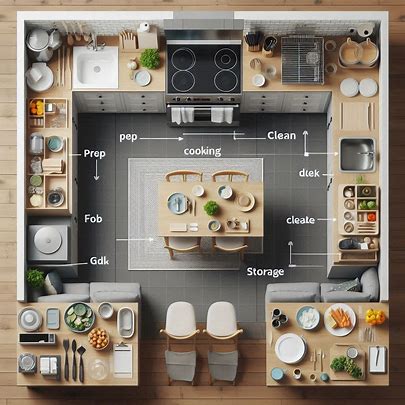
Top-down view of a kitchen

Every great dish starts with a well-organized kitchen. Whether you’re whipping up a quick breakfast or planning a dinner party menu, how your kitchen is arranged can affect your speed and creativity. Cooking can become frustrating, cluttered, and inefficient without clear zones or a proper flow.

Think of your kitchen layout like a property—each area should have its own defined boundary, just like how a well-placed fence installation service helps homeowners clearly mark and protect their space (source: fence installation Avon). Similarly, creating boundaries in your kitchen can help you cook smarter, cleaner, and with more joy.

The Importance of Zoning

Zones are the heart of a functional kitchen. You avoid unnecessary steps and smooth your movements by organizing areas based on specific tasks. The main zones you need are:

Prep Zone

This is where ingredients come to life. Keep your knives, cutting boards, mixing bowls, and measuring tools within arm’s reach. Ideally, this space should be close to the refrigerator and sink so you can easily wash and grab ingredients.

Cooking Zone

This zone includes your stove, oven, microwave, and nearby countertop space for placing hot dishes or stirring pots. Store pots, pans, spatulas, and cooking oils here. A good cooking zone keeps the chaos away from the prep and cleaning areas.

Cleaning Zone

Every mess needs a place to be cleaned. This area includes the sink, dishwasher, trash bin, and cleaning supplies. Keep it slightly away from the cooking zone to avoid cross-contamination, but still accessible from prep and storage areas.

Storage Zone

Group your dry ingredients, spices, and canned goods in cabinets or a pantry near where you prep and cook. Use labeled containers and shelves to make grabbing what you need easier. Keep your fridge close to the prep station for better flow.

Storage Solutions that Maximize Space

Smart storage doesn’t always mean more cabinets. It means using the space you already have in a smarter way. Pull-out shelves, hanging racks, magnetic knife strips, and drawer dividers make everything more accessible and reduce clutter.

If you have a small kitchen, vertical storage becomes your best friend. Install shelves that reach up to the ceiling. Add hooks under cabinets for mugs or utensils. Make the most of unused wall space by installing a pegboard to hang tools.

Designing a Workflow That Works

A great kitchen layout follows a triangle rule—placing your sink, stove, and fridge in a triangular pattern to minimize unnecessary steps. This concept helps create an efficient flow, no matter how big or small your kitchen is.

Think about how you move through recipes. You grab ingredients, prep them, cook, and then clean. A layout that mirrors the natural order will make cooking feel less like a chore and more like an experience.

Creative Freedom Through Structure

Oddly enough, setting boundaries in your kitchen doesn’t limit creativity—it enhances it. When your space is organized and your tools are easy to reach, you spend less time hunting for things and more time exploring new flavors and techniques.

Color-code storage, label spice jars, or dedicate a small corner as a coffee or baking station. Personal touches that reflect your style can make your kitchen fun and inspiring. A rolling cart can add extra prep space or be a mobile pantry.

READ ALSO: Unveiling the Vital Link Between Cooking and Cleaning for Cleaning Companies

Final Thoughts

Creating culinary boundaries is more than tidying up—it’s about designing a space that works with you, not against you. Clearly defining zones, optimizing storage, and planning your layout with intention, you set yourself up for success in the kitchen. So draw the lines, set boundaries, and let your creativity flow.
How Learning Different Cooking Styles Helps You Become a Better Chef?

It’s no secret that the culinary world is filled with a wide variety of different cooking styles and techniques. From Italian to Japanese, there are a seemingly endless number of ways to prepare food. 

To become a successful chef, you need to be able to adapt to any situation and learn how to work with different flavors, textures, and types of food. Keeping this in mind, here are several ways learning different cooking styles helps you become a better chef:

Helps You Better Understand Cooking Techniques

As you expand your culinary knowledge, you’ll have a much better understanding of different cooking methods and techniques. By learning how each style works, you’ll be able to create better dishes and create them more efficiently.

For example, if you’re working with a sauce that has separated, you’ll know how to fix the problem by adding a little bit of heat. Making these small adjustments can make a big difference in how your food tastes, which will ultimately help you to become a better chef.

Helps You Learn New Flavors and Textures

Each cooking style comes with a unique flavor profile and texture.

Once you’ve tried a couple of different cooking styles, you’ll have a better idea of what each cooking style tastes like.

You’ll be able to better understand the ingredients used in each dish and what they add to the flavor and texture. This will allow you to more easily experiment with different cooking styles and create your unique dishes, which is a great skill to have as a chef.

By experimenting with different cooking styles, you may create something that’s inspired by the cooking style of the best cities to visit in Morocco, or maybe even create your own.

Helps You Master the Basics

As you explore the different cooking styles, you’ll be able to focus on the fundamentals of each cooking style. These include things like knife skills and proper cooking temperatures. By focusing on the basics, you’ll have a better understanding of how cooking works.

This knowledge will allow you to create better food and be more efficient with your time. As you expand your culinary knowledge, you will be able to better understand exactly what’s happening in the kitchen and how each dish is prepared.

Creative Ways to Cook at Home: With No Recipe Necessary!

If you’ve ever felt like a kid again when you step into your home kitchen, it’s not just because you don’t spend much time there. If because how advertising signage company strategically design the signs and position it which triggers the inner child in you.

Cooking in a Creative Way at Home

Your kitchen probably feels that way because it hasn’t been giving you enough of those happy childhood memories. It doesn’t help that most cooking shows, blogs and recipes assume that everyone has an arsenal of fancy kitchen appliances and a perfect view of their personal range.

While we may not all have the luxury of a professional range or the use of our parents’ kitchen every day (or even every other day), there are plenty of cheap and easy ways to get back in the game whenever you want to dish it up at home. From clearing out space on your counters to stocking your pantry with inexpensive staples, these tips will have you cooking again in no time.

Try New Spices

If you’ve been cooking the same kinds of meals with the same flavorings, it can lead to a real sense of monotony. Spice things up with a new and affordable spice blend. You can find super affordable (but high quality!) spice blends at most grocery stores these days. There are a number of different blends you can try to create different flavors.

You can also buy individual spices in bulk and store them in small jars to keep them fresh. This way, you can mix and match spices to create any flavor you like. Plus, spices are a lot cheaper when you buy them in bulk!

Start a Menu Plan

The easiest way to create a cooking schedule with a set plan for your kitchen is to use a digital calendar. You can create a calendar for your family that includes a specific meal for each day of the week.

Whatever meals you choose to include in your calendar, make sure to use fresh ingredients and make a shopping list so that you can get everything you need for those meals at the store. If you always have a meal planned, you don’t have to worry about what to cook when you get home from work.

Game On and Eat Well: Healthy Cooking Tips for Gamers

Did you know that what you eat can directly affect your focus and reaction time in games? Whether you’re tackling a boss in a role-playing epic or competing in fast-paced multiplayer battles, your energy levels and concentration matter. Eating healthy doesn’t just improve your overall well-being, it can also boost your gaming performance.

At YesGamers, we know that gamers thrive when they feel sharp and energized. That’s why pairing nutritious meals with your gaming routine is a winning strategy. Here are the best tips to cook healthily without slowing down your gameplay.

1. Prep Quick, Energy-Boosting Snacks

Long gaming sessions demand snacks that fuel your brain. Instead of reaching for chips or candy, try:

  • Trail mix with nuts, seeds, and dried fruit
  • Homemade granola bars
  • Smoothie bowls packed with fruits, oats, and protein powder

These options keep your blood sugar stable and your mind alert for every quest or match.

2. Include Brain-Friendly Ingredients

Certain foods help improve memory, focus, and reaction time. Incorporate ingredients like:

  • Fatty fish such as salmon or mackerel (rich in omega-3s)
  • Leafy greens like spinach and kale
  • Whole grains for steady energy

These foods are perfect for gamers who need mental stamina to conquer challenging levels.

3. Batch Cooking Saves Time

Spending hours in the kitchen can take away from your gaming adventures. Prepare meals in batches to save time and reduce stress. Cook grains, proteins, and roasted veggies in advance so you can focus on gaming marathons without compromising nutrition. Improve your kitchen practices, read our guide on best kitchen practices.

4. Hydrate Smartly

Hydration is key to staying sharp. Water is the best choice, but you can also enjoy herbal teas or infused water for flavor. Avoid sugary sodas that may lead to energy crashes during intense gaming sessions.

5. Plan Meals Around Your Gaming Schedule

Sync your meals with your gaming schedule. Eating too heavily before intense gameplay can make you sluggish, while small, nutritious meals can keep your reflexes and focus at their peak. Planning helps maintain energy levels without interrupting your gaming flow.

Conclusion

Eating well doesn’t just improve your health, it enhances your gaming experience. By prepping smart snacks, incorporating brain-friendly foods, and planning your meals around your sessions, you can play at your best. For more tips, reviews, and guides to level up both your gaming and lifestyle, visit YesGamers today.


Smart Tips to an Orderly Kitchen

There´s nothing exciting than to cook in a well organized kitchen. Indeed, the kitchen work is as always messy, but with an organized one you won´t bother doing it real bad ever again. Or ever think about cleaning your mess after.

A well organized kitchen also defines you as a person, how neat and dainty you are in the food preparation. So don´t ever give your guests the impression that you prepare meals at a messy kitchen, or that you used to.

Today, I wil help you become a kitchen guru. That first start with a good and well organized kitchen.

Declutter As Much As Possible

To declutter must be the first step. Kitchen, obviously tends to have more clutter than the other rooms. Make sure to only store the necessary kitchen tools you will need, or that keep close of the things you usually use everytime you are cooking.


Go for Space Saving and See Through Containers

You can definitely install space saving cabinetry that you can easily grip to or reach to. Also, using a see through containers helps you to easily find what engredients and food you are using. Plus, save you more time in looking too.


Store Food in the Fridge Properly

When I meant properly, I meant organized. You need to have a special space for drinks only, food only, to cook food, vegetables and fruits, and yogurts. And as well as a more special space for frozen food. Also, make sure that you take note everything you are cooking for the week in a stamp to your fridge door.

Cooking Tips for Begginers

So it´s more likely that you have been watching all thee crazy, drool worthy food on Instagram and cooking videos on Youtube. Meanwhile, your non cooker self just realized that you actually wanted to try cooking too.

But never knowing when and how to start it with doubts in your head like ¨Can I even do this¨

Don´t worry, this is actually why we´re here to help you! Check out our tips below for begginers like you are.

Make a Weekly Menu

If you really want to cook the right way then it takes for you to ensure that you`re cooking in an organized way. Make sure that you create a wweekly pan and follow the menu on it accordingly. Say for over breakfast, lunch and dinner.

And while you are creating a menu, you also have to consider if your menu list is ideal for your kind of cooking materials at home.

Chop Veggies Ahead of Time

Tio make sure that you are using your time efficiently when cooking, it is best to chop your veggies ahead of time. Especially because you don´t wanna cook rushingly or worst your food might get burnt while you are still preparing some veggies. Best to chop ahead of time and place them to the fridge, and only take them out when you are about to cook.

Cook Low and Slow

Again, calm down and take this slow. No need to rush when cooking. Cooking foods in a lower temperature ensures that your food is being cooked all the way.