
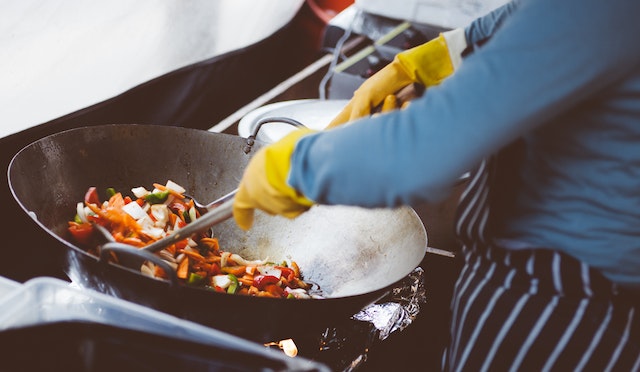


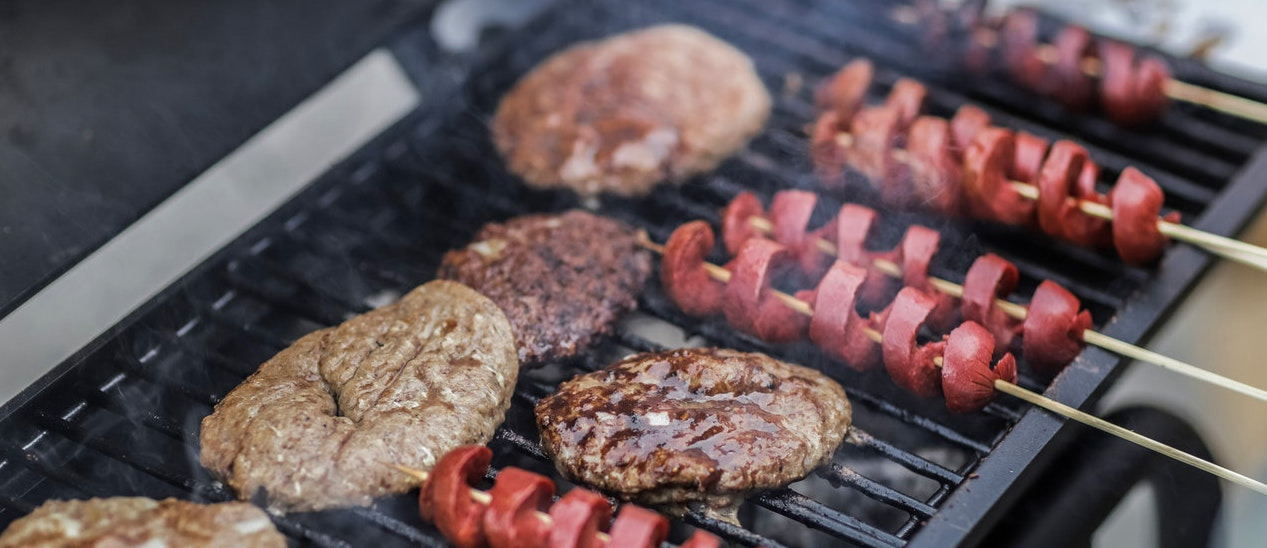

Opening a restaurant, catering company, or food brand is expensive, and the kitchen is often the costliest part. Ventilation, grease management, specialized flooring, and health-code compliance add up quickly.
That is why investing in real estate (Investeren In Vastgoed) that already includes a commercial kitchen has become an attractive idea for property owners and food entrepreneurs alike. The owner holds a specialized asset, and the entrepreneur skips a huge upfront build-out.
The Startup Cost Problem in Food Businesses
Most food ventures stall on money, not on talent. A gifted baker or chef may have a strong product but no capital to build a compliant kitchen from scratch.
Construction, equipment, inspections, and permits can drain a budget before the first customer is served.
Space that is already equipped removes much of that barrier. That creates steady demand for exactly this kind of property.
What Makes a Kitchen Commercial
A commercial kitchen is more than a large home kitchen. It usually includes powerful ventilation hoods, fire suppression systems, grease traps, washable surfaces, proper drainage, and separate areas for preparation and cleaning.
These features must meet local health and safety rules. Properties that already have them, and have passed inspection, are rare, so tenants who cannot afford to build their own value them highly.
Who Rents These Spaces
The tenant pool is wide. Caterers, bakers, meal-prep companies, food truck operators, and delivery-only brands all need professional kitchens.
Ghost kitchens, which serve customers only through delivery apps, have grown especially fast because they avoid the cost of a dining room.
A single property can serve several of these businesses over its lifetime, which spreads the risk of any one tenant leaving.
Flexible Lease Models
Owners can earn income in more than one way. Some lease the whole kitchen to a single long-term tenant.
Others divide the space into shifts or stations and rent time to several small operators, often by the hour or month. Shared kitchens suit startups that only need a few days of production each week.
Shared models can earn more per square meter. They also demand more management and tighter scheduling.
Permits, Zoning, and Compliance
Regulation is the part investors must take seriously. Zoning rules decide whether food production is allowed in a given area, and health authorities require inspections and licenses.
Rules differ by country and city, and they change over time. Buyers should confirm that existing permits transfer with the property and that the kitchen still meets current standards before committing any money.
Costs That Come With Specialized Property
A commercial kitchen is harder to maintain than ordinary space. Heavy equipment wears out, ventilation systems need regular cleaning, and pest control is a constant requirement.
Repairs can be costly and may interrupt a tenant’s business. Owners should budget for upkeep and replacement, and they should inspect the condition of equipment carefully before buying.
Why Location Matters
A kitchen in the wrong place sits empty. Tenants want easy access to suppliers, delivery drivers, and customers.
Properties near dense neighborhoods, business districts, or transport routes tend to attract stronger demand. Parking, loading access, and noise rules also affect whether a tenant can operate smoothly around the clock.
Technology Is Changing the Kitchen
Modern kitchens increasingly rely on connected equipment, from smart ovens to inventory systems. Coverage on cooking with technology as a modern take on an ancient craft shows how quickly these tools are changing professional food preparation.
Owners who keep their kitchens updated can attract tenants who expect modern equipment. Outdated spaces may struggle to compete.
Weighing the Risks
Specialized property has a smaller pool of buyers than a typical apartment or office. If the food market slows, finding a replacement tenant can take time.
Borrowing adds more risk. Anyone considering this path should speak with a qualified financial advisor and a local property professional first.
A Niche With Real Appeal
A property with a ready commercial kitchen offers clear value to food entrepreneurs and a clear income opportunity to the owner.
With careful research into permits, upkeep, and location, it can be a practical way to serve a growing food economy.
 Food trucks rely on mobility, and a set of high-quality wheels is essential for getting from one location to the next without trouble. The right wheels not only ensure smooth travel but also enhance the overall look of your food truck. Wheels and rims are important not just for performance but also for showcasing your food truck’s personality. Selecting durable wheels is the first step to ensuring your mobile kitchen is ready to hit the road.
 Most food truck operators prefer to call a provider of professional towing in San Jose rather than take risks by loading their food truck or trailer to their vehicle. Mindful of different circumstances and conditions, the majority of the food truck owners in the city know that towing a loaded trailer is not without challenges when moving on the road.
 A reputable San Jose towing company prioritizes safety above everything else, by considering the rating or the towing capacity of its tow truck. Towing capacity is based on several factors such as the size and weight of the engine, the brake size and the conditions of the tires.
 Perhaps it is time to wipe the dust off your marketing plan and take a look at the current marketing trends to get your restaurant up to speed. If you already have a website and a fan page on Facebook or Twitter & Co., this is a good start.


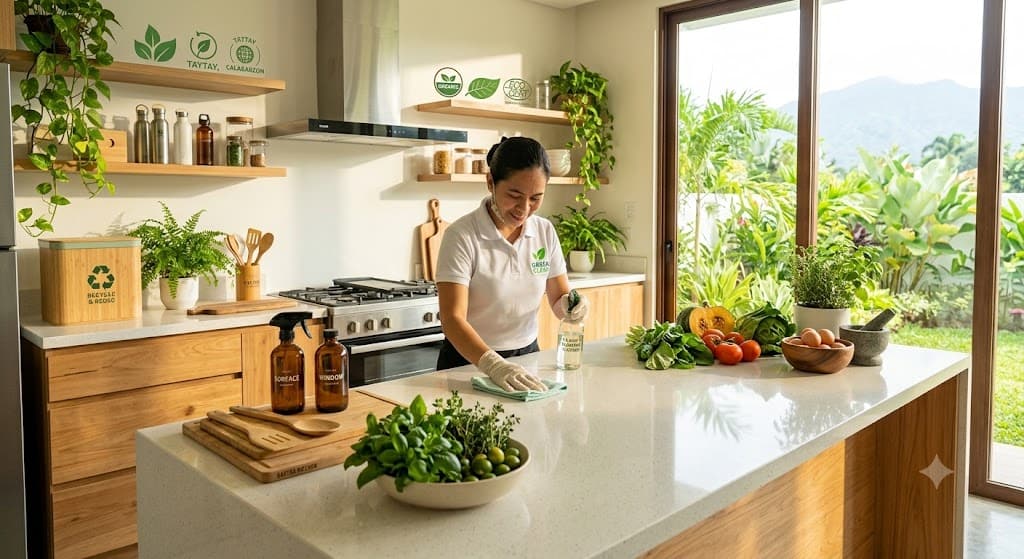
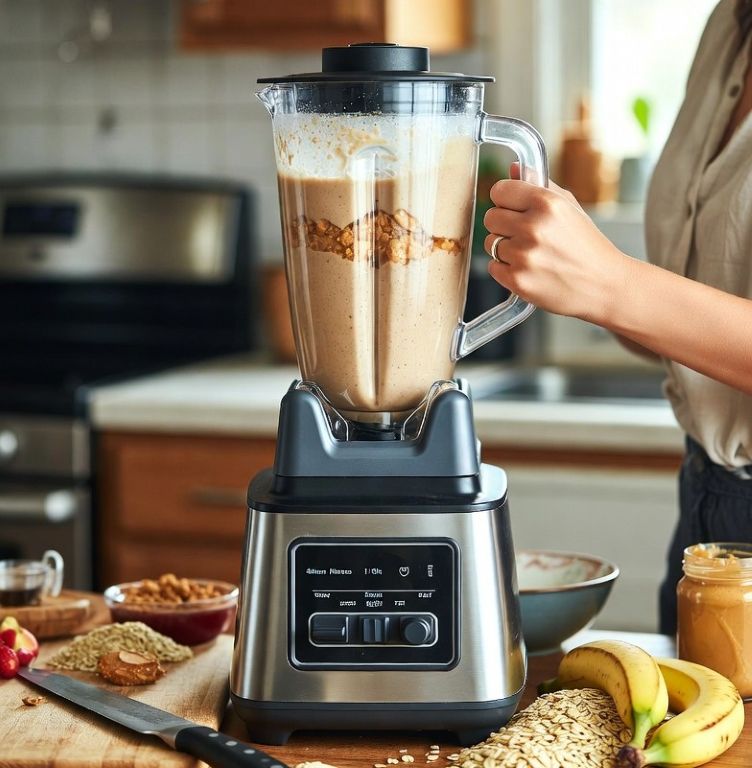
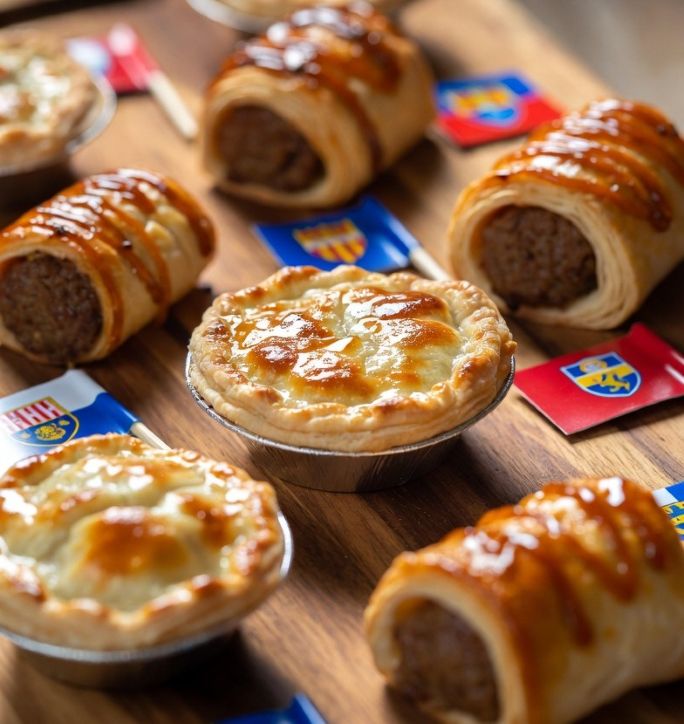
 Cold weather can turn even the most inviting kitchen into an uncomfortable space. When temperatures drop, the heart of the home loses its warmth, affecting both comfort and how food cooks. A chilly kitchen can make dough rise slower, cool food too quickly, and dampen the joy of preparing family meals. But with reliable heating, every dish feels like comfort food again.
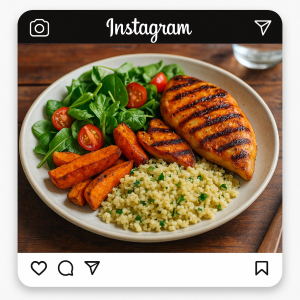 Instagram is a visual-first platform, and when it comes to food, looks can be just as important as taste. A beautifully plated dish doesn’t just make mouths water—it stops thumbs from scrolling. Whether you’re a chef, a food blogger, or someone exploring growth bundles to boost your reach, knowing a few plating tricks can make your posts stand out and drive more engagement.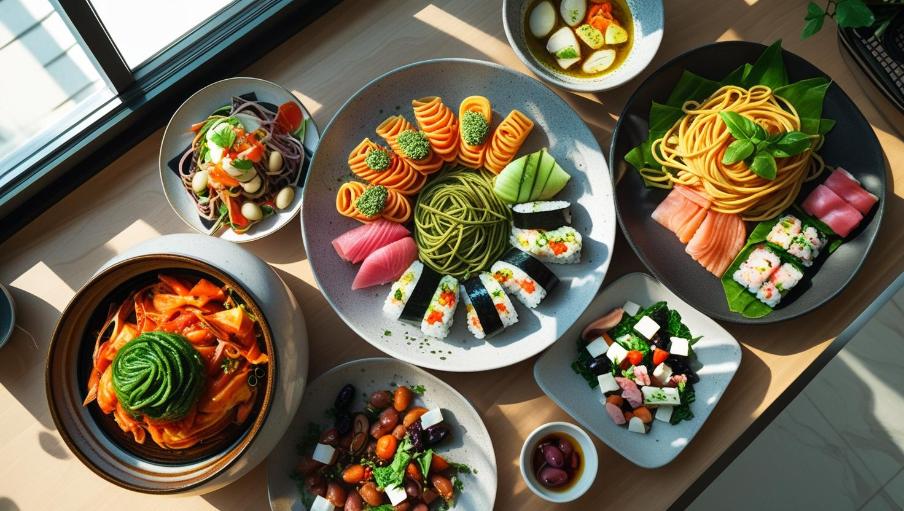
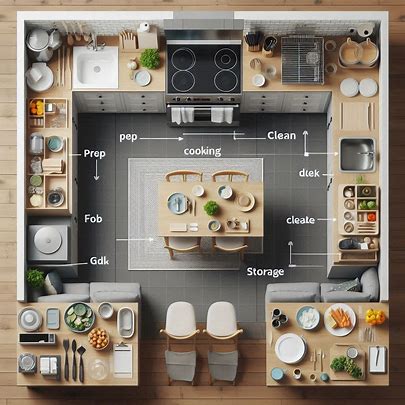
 Dining chairs often bear the brunt of everyday spills, crumbs, and stains. Whether it’s a splash of red wine or an accidental food spill, keeping your chairs clean requires a mix of prevention and timely action. Upholstered dining chairs, in particular, need extra care to maintain their beauty and longevity.

 Meritking, the nascent online sports news platform, recently posted an article naming the top 20 football teams listed by the IFFHS based on past year’s performance. IFFHS by the way stands for the International Federation of Football History and Statistics.
 Real Madrid – Ranked No. 1
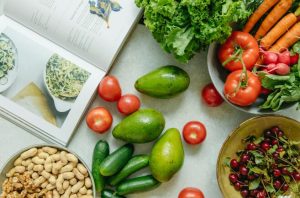


 Germany is renowned for its rich culture, beautiful landscapes, and delicious cuisine. While there are many ways to explore the country, traveling by train offers a unique and convenient way to experience the culinary delights of Germany. Germany’s food scene is diverse and delicious from hearty sausages and sauerkraut to mouth-watering pastries and local wines. We’ll give you a comprehensive overview of the best train routes and auskunft bahn for a gastronomic exploration of Germany. We also highlight the regional specialties that you should definitely try along the way.


 On the subject of food, sushi is one dish that famously identifies Japan and is regarded as an art. While it may look easy to prepare, skill and artistry goes into making great sushi. Hence, sushi
  “Sushi” in Japanese means “it’s sour.” This gives a picture of the origins of sushi being preserved using salt. Sushi would then refer to the specially cooked and prepared rice used to make the dish. Basically, the rice is cooked with vinegar. To make sushi, it can include different types of fish, either raw or cooked, or other types of seafood, and some vegetables. Wasabi, soy sauce, and pickled ginger are the usual side garnishes that go together with sushi.
 NIGIRI
 MAKI
MAKI The food industry is a great place to start a career. There are many options regarding the type of food you want to cook and the type of restaurant or catering company you want to work for. This post will briefly cover how to find jobs in the food industry today and what employers look for in their employees.
